Loading...
Serving Grand Forks, ND and surrounding areas. (701) 402-4816
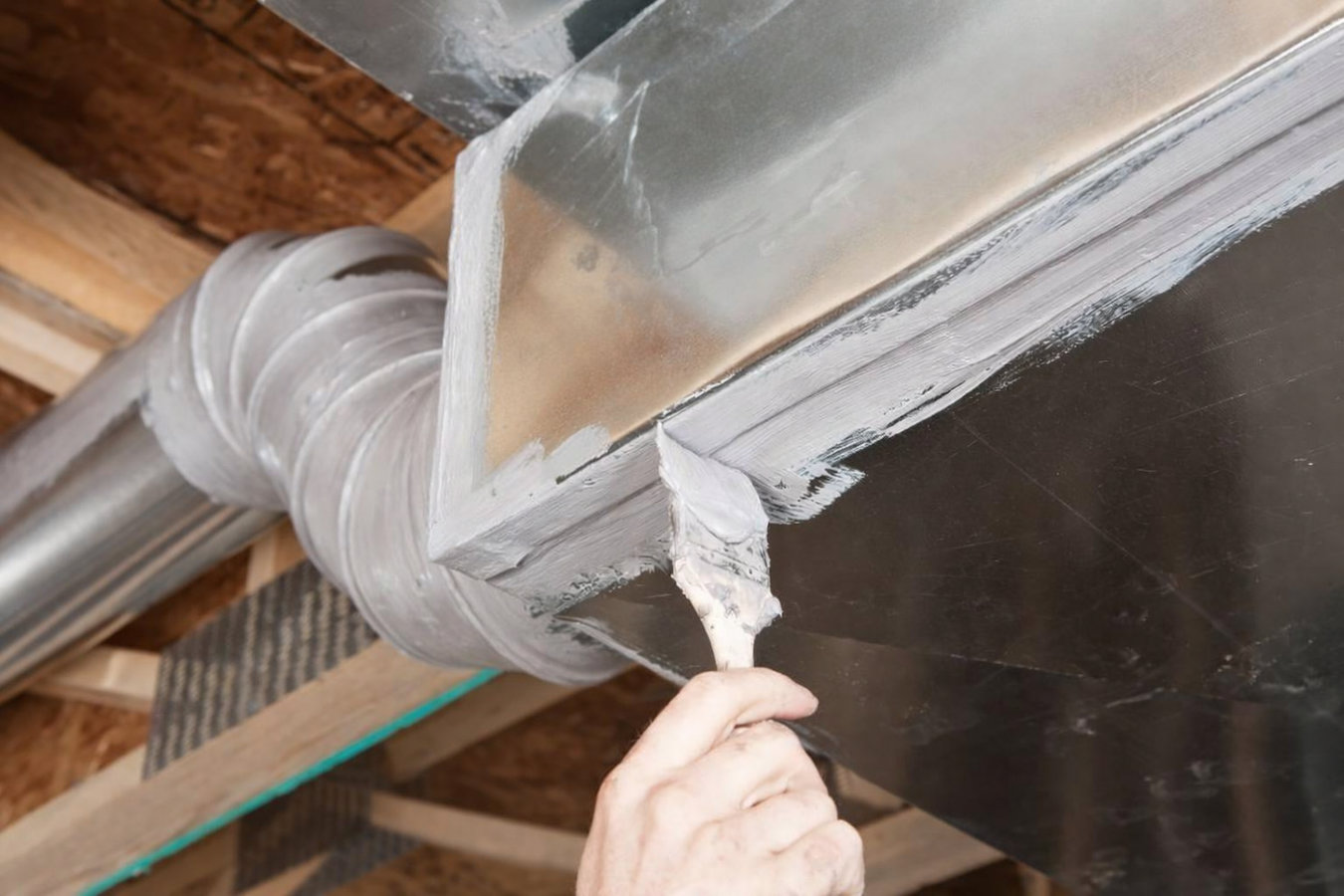
Insulation slows heat loss, but air leaks let cold air pour straight in no matter how much insulation you have. We find and seal the hidden gaps that keep your furnace running overtime through a North Dakota winter.
Air sealing in Grand Forks closes every gap, crack, and opening in your home where outside air sneaks in and conditioned air leaks out - most single-family home projects are completed in one day. Think of it as weatherstripping the entire house from the inside: attic floor, basement rim joists, wall penetrations, and all the spots where pipes and wires pass through framing. Insulation slows the movement of heat through solid surfaces, but air sealing stops the airflow that bypasses insulation entirely.
Grand Forks averages around 180 days per year below freezing. At those temperatures, even a small gap in your attic lets in a significant amount of cold air - and your furnace has to work hard to replace that heat every hour of every cold day. If your heating bills feel out of proportion to your home size, or if certain rooms never quite warm up no matter how high you set the thermostat, air leaks are usually a big part of the reason.
Air sealing is most effective when combined with insulation. Our basement insulation service pairs well with rim joist sealing, and for homes where the attic is the primary source of heat loss, our attic air sealing work targets the single biggest bypass in most houses.
If your natural gas bill climbs sharply during the coldest weeks - even when you have not changed your thermostat habits - your home is losing heat faster than it should. A leaky home forces your furnace to run almost continuously to keep up. In Grand Forks, where heating season runs from October through April, that adds up to a serious annual expense.
If one bedroom or a corner of your living room always feels colder than the rest of the house in winter, the problem is usually air movement, not your furnace. Cold air sneaking in through gaps in the attic or walls settles in certain spots and creates persistent cold zones that no amount of thermostat adjustment can fix. This is one of the most common complaints from homeowners in older Grand Forks neighborhoods.
Hold your hand near an electrical outlet or light switch on an exterior wall on a cold day. If you feel cool air, that outlet is connected to a gap somewhere in the wall cavity that runs to the outside. The same test works near baseboards. These small leaks add up across a whole house and are exactly what a professional air sealing job closes.
Frost on the inside of your attic hatch, condensation near the ceiling, or ice dams building up along your roofline after snowfall are all signs that warm air from inside your home is escaping into spaces where it meets cold surfaces. In Grand Forks winters, that warm air creates moisture problems over time. Air sealing the attic floor is often the most direct fix for all three symptoms.
We perform comprehensive air sealing in attics, basements, crawl spaces, and around every penetration where pipes, wires, and ducts pass through your home framing. Most of the real air loss in a house happens in spots most homeowners never see - around recessed lights in the ceiling, at the top of interior walls where they meet the attic floor, and along basement rim joists where the wood framing sits on the foundation. These bypasses carry far more heat out of your home than gaps around windows and doors, which is why contractors who only caulk the visible spots deliver much smaller results. Our attic air sealing service focuses specifically on this critical area when that is where the bulk of your home loss is concentrated.
For homes where air sealing is one piece of a larger project - adding insulation, finishing a basement, or upgrading an older home before another winter - we coordinate air sealing with insulation installation so both are done in a single visit. Our basement insulation work includes rim joist sealing as a standard part of the scope, since the rim joist is one of the most heat-leaky spots in a typical Grand Forks home. We use a blower door test before and after work to measure the actual improvement - not just describe it.
Best suited for older homes or homes with high heating bills where multiple areas - attic, basement, and walls - all need attention in a single project.
Ideal when the attic floor is the primary source of heat loss - common in Grand Forks homes with unfinished attics and older framing.
Suited to homeowners who want to address both the bypass gaps and the insulation levels in the same project visit for maximum efficiency gains.
Grand Forks averages around 180 days per year below freezing, and the temperature difference between inside and outside during a January cold snap can exceed 70 degrees F. At that differential, even a small gap in your home shell lets in a surprisingly large volume of cold air every hour. This is why air sealing pays off faster in Grand Forks than in milder climates - the problem is simply more severe, and it runs for more months of the year. A significant portion of the city housing stock was built before modern energy codes required any meaningful attention to air sealing, and many homes that were rebuilt or heavily renovated after the 1997 Red River flood were done quickly, with inconsistent construction quality that has never been assessed.
We serve homeowners across the region, including those in Moorhead, MN and Jamestown, ND, where the same cold climate and older housing stock create identical air sealing challenges. The shoulder seasons - fall and spring - are the best time to schedule this work before contractors book up heading into winter.
We respond within 1 business day. During your first call we ask a few basic questions - home age, size, and what you have been noticing. You do not need to know anything technical; just describe the drafts, the cold rooms, or the bills that prompted you to call.
Before any work starts, we walk through your home and inspect the attic, basement, and other areas where air escapes. Many contractors use a blower door test at this stage - it makes leaks measurable and easy to locate. This is the step that separates a thorough job from a guesswork job.
The crew works through the attic and basement sealing gaps with foam and caulk - light fixtures, plumbing chases, top plates, rim joists, and penetrations. You can stay in your home. Most of the work happens in areas you never use, and there is no loud equipment.
We run a second blower door test after the work is done so you can see the measurable improvement before we leave. You receive a written summary of the work - useful for utility rebate claims and federal tax credit documentation. Everything is cleaned up before we go.
Free in-home assessment. Written quote before any work starts. We respond within 1 business day.
(701) 402-4816We measure air leakage before work starts and again when we finish so you can see the actual improvement in numbers. This is the only objective way to confirm the job worked - and most contractors in the region skip it entirely.
We work regularly across a wide territory in both states, which means our crews have seen the full range of housing types and construction eras in this region. That experience matters when the work is happening in your attic or basement.
Window and door caulking is visible and easy but addresses only a small fraction of a home air loss. We focus on the hidden bypasses - attic top plates, recessed lights, basement rim joists, and plumbing chases - where the real heat loss happens in a Grand Forks home.
We prepare the documentation you need for Xcel Energy rebate claims and federal tax credit filings before we leave. The federal Inflation Reduction Act created a tax credit for qualifying weatherization work - ask us when you call whether your project qualifies.
Air sealing is invisible work done in spaces most homeowners never visit - which makes proof of results more important here than in almost any other home improvement. Measurable before-and-after numbers are how we show you the work was done right.
The U.S. Department of Energy air sealing guide and the Building Performance Institute are useful resources if you want to understand what professional air sealing standards look like and what a blower door test measures.
Pair air sealing with basement rim joist and wall insulation for the most complete lower-level protection against cold infiltration.
Learn moreTargeted sealing of the attic floor - the single biggest source of air loss in most Grand Forks homes - to stop warm air from escaping into the cold attic space above.
Learn moreFall appointment slots fill up fast once cold weather arrives - call or submit a request today and head into winter with a tighter, warmer home.