Loading...
Serving Grand Forks, ND and surrounding areas. (701) 402-4816
Hidden gaps in your attic floor drive up heating bills and feed the ice dams that damage your roof every winter. We seal them for good.
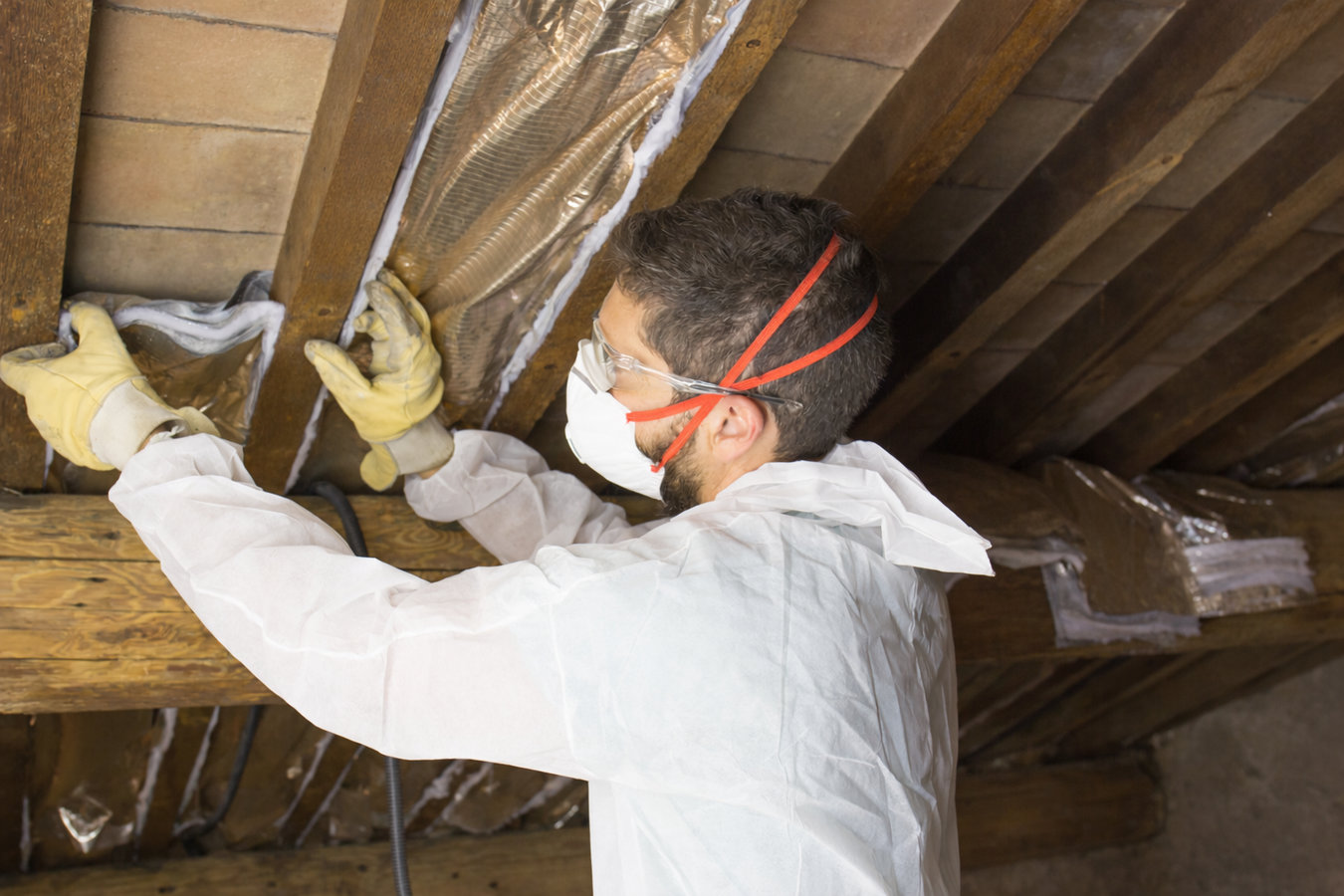
Attic air sealing in Grand Forks means finding every gap, crack, and opening in your attic floor - around pipes, wires, light fixtures, chimneys, and the tops of interior walls - and plugging them so heated air stays inside your living space. Most jobs take two to six hours and are completed entirely in the attic without touching your living areas.
Adding insulation without sealing air leaks first is one of the most common mistakes homeowners make. The U.S. Department of Energy notes that air leaks can account for a significant portion of a home's heating and cooling costs - and in a Grand Forks winter that runs from October through April, that adds up fast. Air sealing is also the root-cause fix for ice dams: when warm air stops escaping through your attic floor, your roof deck stays cold and uniform, and snow melts evenly rather than refreezing at the edges. If you are also looking at broader energy upgrades, pairing this work with crawl space vapor barrier installation addresses both ends of the building envelope at once.
A good contractor does not just seal the obvious gaps - they work through the attic floor systematically, addressing every penetration. The difference between a thorough job and a partial one is measurable, which is why we offer blower door testing before and after the work so you can see the actual improvement in numbers, not just take our word for it.
If your gas or electric bill spikes sharply when cold weather arrives and does not recover until April, your home is losing heat faster than it should. Grand Forks winters are long and severe, so some increase is normal - but if neighbors with similar homes are paying noticeably less, air leaks in your attic are a likely culprit.
Thick ridges of ice at the roof edge - or water stains on your ceiling after a cold snap - are among the clearest signs that warm air is escaping through your attic. When that warm air heats the roof unevenly, snow melts and refreezes at the cold eaves. If you have seen this pattern, your attic almost certainly has air leaks worth addressing.
Stand near your attic access panel on a cold day. If you feel cool air coming down or see light around the edges of the hatch, you have direct evidence of air movement between the attic and your living space. The attic hatch is one of the most commonly overlooked leak points in older homes - and a strong indicator of what is happening throughout the rest of the floor.
If rooms on the top floor or near exterior walls feel drafty or harder to heat than the rest of the house, cold air sinking from an unsealed attic floor is often the reason. This is especially common in Grand Forks homes built before the 1980s, where attic floors were rarely sealed during original construction.
We seal attic floors systematically - not just the obvious gaps. Every pipe penetration, wire chase, recessed light, chimney surround, and wall top-plate gets addressed. We use foam for larger gaps and caulk for smaller ones, choosing the right material for each opening so the seal holds long-term. For homeowners who want a full picture of their home's energy performance, we offer blower door testing before and after the work to measure the actual reduction in air leakage. This is the difference between knowing the job was done and being able to prove it. We also pair attic sealing with comprehensive air sealing services that address other parts of the building envelope - rim joists, basement walls, and band joists - in the same visit.
For homes where the insulation is also thin or degraded, we coordinate the air sealing and insulation work together so the crew only has to go through the attic once. Insulating over unsealed gaps - a common shortcut - leaves most of the problem unsolved. Doing it in the right order is what produces real results. If your attic also needs new material added on top, crawl space vapor barrier and attic insulation upgrades are frequently scoped together to maximize the efficiency gain from a single mobilization.
Best suited for homes with an accessible unfinished attic where ice dams or high heating bills are the primary concern.
Best suited for homes scheduled to receive new attic insulation, where sealing first ensures the insulation performs to its rated value.
Best suited for homeowners who want measurable proof of improvement rather than a visual inspection alone.
Best suited for homeowners who want attic, rim joist, and basement air sealing done in one visit to maximize energy savings and minimize repeat scheduling.
Grand Forks averages around 180 days per year where temperatures fall below freezing. At those temperatures, even a small gap in your attic floor lets in a dramatic amount of cold air - and your furnace has to work overtime to compensate. What feels like a minor draft in a milder climate becomes a serious comfort and cost problem here, which is why air sealing pays off faster in Grand Forks than it would in most U.S. cities. The ice dam problem is closely tied to the same issue: homes that hold heat properly do not create the uneven roof temperatures that cause ice to build up and force water under shingles. Homeowners in West Fargo face the same climate dynamics, and we cover that area regularly.
A significant portion of Grand Forks homes were built before 1980, when air sealing was not part of standard construction practice. Pipes, wires, and chimneys were run through attic floors without any thought given to sealing around them - which means many homes have been quietly leaking conditioned air for decades. The post-1997 flood rebuilds added another layer: homes rebuilt to late-1990s codes are better sealed than pre-1980 stock, but still fall short of what today's standards would call for in a Zone 7 climate. We work throughout Grand Forks and into Moorhead on homes from all of these eras, and our crews know what to expect in each one.
Tell us your home age, rough square footage, and what you have noticed - high bills, ice dams, cold rooms. We reply within one business day to schedule an in-home look. You do not need to know anything technical; describe it in plain terms and we will take it from there.
A technician visits your attic to check existing insulation, identify penetrations that need sealing, and assess access. Many projects include a blower door test at this stage to measure current air leakage. You get a written estimate outlining what will be done, what materials will be used, and the total cost - no pressure to proceed.
The crew works through your attic floor systematically - sealing pipes, wires, chimneys, recessed lights, and wall top-plates with foam or caulk. Most jobs take two to six hours. You can go about your normal day; there is no strong odor, no major noise, and no disruption to your living space.
When the work is complete, a final blower door test confirms the air leakage has been reduced. We walk you through what was done and explain what to expect - most Grand Forks homeowners notice a difference in comfort and heating bills within the first full winter.
Free written estimate. No pressure. We reply within one business day.
(701) 402-4816We work regularly in communities across the Red River Valley and beyond. That regional volume means we understand the specific construction patterns - and the specific problems - common in homes from every era of Grand Forks building history.
We offer blower door testing before and after the work so you have a number to compare, not just a visual confirmation. Most contractors skip this step. We offer it because we stand behind the results and want you to be able to verify them.
We work through the attic floor methodically - every pipe, wire, light fixture, and wall top-plate. Contractors who only address the obvious large gaps leave most of the problem unsolved. The difference shows up in your bills and in your blower door numbers.
Federal tax credits currently available through the Inflation Reduction Act can offset a portion of qualifying air sealing costs. We provide the documentation you need before we leave the job site. The ENERGY STAR program maintains current guidance on what qualifies and how to claim it.
Attic air sealing done right is a one-time job - the foam and caulk materials hold for decades when installed correctly. We work to a standard you can verify, because the only result that matters is a home that actually performs better this winter than it did last year.
Address moisture from the ground up - a crawl space vapor barrier is the logical next step after sealing your attic, completing the building envelope from both ends.
Learn moreExtend air sealing beyond the attic to rim joists, basement walls, and other envelope penetrations for a comprehensive whole-home efficiency upgrade.
Learn moreFall slots fill quickly - reach out now and head into winter with a tighter home, lower bills, and no more ice dams to worry about.