Loading...
Serving Grand Forks, ND and surrounding areas. (701) 402-4816
Grand Forks Insulation provides spray foam, attic, and blown-in insulation services throughout Grand Forks, ND, with free written estimates and replies within one business day.
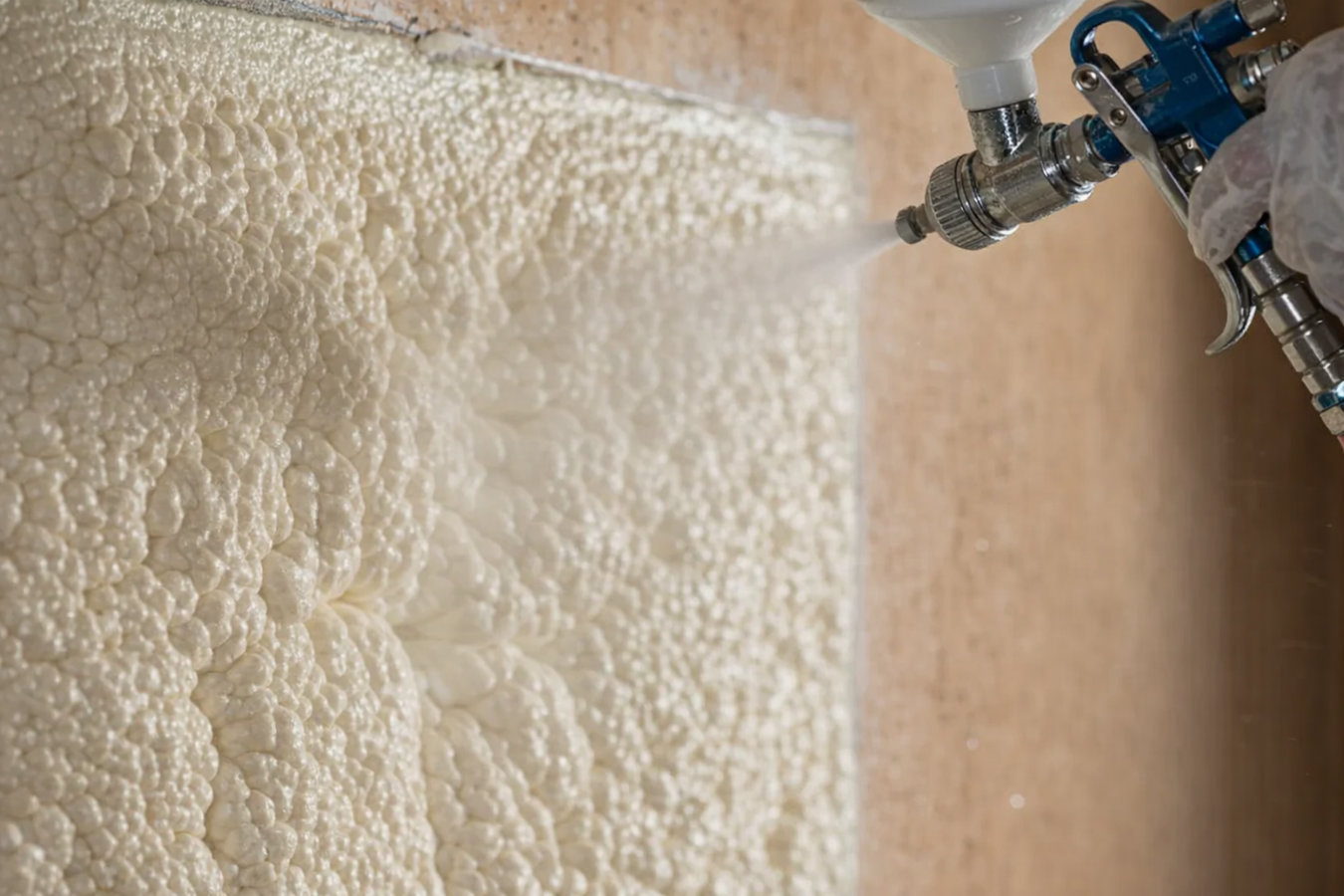
Grand Forks winters regularly push below -20°F, and spray foam is one of the few insulation types that seals air leaks and insulates at the same time. Our spray foam insulation work covers attic decks, basement rim joists, crawl space walls, and new construction framing throughout Grand Forks.
Heat rises, and in Grand Forks homes with older or inadequate attic insulation, it escapes right through the roof - causing high heating bills and ice dams along the eaves every winter. We bring attic floors up to recommended depths using blown-in cellulose or fiberglass, depending on what your specific attic structure calls for.
Grand Forks homes are built with full basements because the frost line reaches five to six feet deep. Rim joist areas and basement walls that are uninsulated or poorly insulated let cold air in along the floor line all winter. Proper basement insulation makes the whole house warmer from the ground up.
Blown-in cellulose and fiberglass are the most cost-effective way to bring attic floors and wall cavities up to code depth without opening walls or disrupting living spaces. This is especially practical in Grand Forks homes from the 1950s and 1960s where the original batts have settled or been disturbed over the decades.
Spring snowmelt saturates the clay-heavy soil around Grand Forks every year. Crawl spaces without proper insulation and a ground-level vapor barrier become a moisture problem that works its way up into floor joists and subfloor over time. We address both the thermal and moisture sides of the problem in one visit.
Insulation slows heat transfer, but air sealing stops the cold air that bypasses insulation entirely through gaps around pipes, wiring, and the attic hatch. In Grand Forks homes with a long heating season, unsealed air leaks can account for a large share of heat loss - air sealing before adding insulation makes every dollar of insulation work harder.
Grand Forks sits in Climate Zone 7, one of the most demanding heating climates in the continental United States. January averages near 0°F, temperatures regularly drop below -20°F during cold snaps, and the frost line reaches five to six feet into the ground. A heating season that runs from October through April means your insulation is working hard every single day for half the year. Thin, settled, or poorly installed insulation does not just mean mild discomfort - it means your furnace runs constantly, your bills climb, and the structure of your home absorbs the stress of repeated freeze-thaw cycles year after year.
Grand Forks also carries a unique housing history. The catastrophic 1997 Red River flood destroyed or severely damaged thousands of homes, and many were rebuilt in the late 1990s under the codes and practices of that era. Those post-flood rebuilds are now approaching 25 to 30 years old - old enough that insulation, air sealing, and vapor barriers may need assessment and upgrading. At the same time, a large share of the city's surviving housing stock was built before 1970, when insulation standards were far below what current climates require. Taken together, Grand Forks has an unusually high proportion of homes that either never had adequate insulation or are due for a meaningful upgrade.
We pull building permits through the City of Grand Forks Building Inspections division when projects require them, and we know which insulation jobs in this city need permits and which do not. That matters because working without a required permit can create complications when you sell your home, and it protects you from work that was done but never inspected.
Grand Forks is a city most people know by a few landmarks: the University of North Dakota campus, the Red River that runs along the eastern edge of the city, and the network of dikes and levees built after the 1997 flood. What those landmarks tell a contractor is that the housing stock here ranges from pre-war homes near downtown and the university, to post-flood rebuilds in the Lincoln Drive area and near Southside neighborhoods, to newer subdivisions spreading south and west toward South Columbia Road. We work in all of them and understand what each era of construction looks like on the inside.
We also serve communities across the region, including Devils Lake, ND to the west, where similar climate conditions and older housing stock create the same insulation needs as Grand Forks. If you are in the area and looking for a contractor who knows North Dakota winters, we are the same crew regardless of which city you are in.
We respond within one business day. When you reach out, we ask a few quick questions about which area of your home you want addressed and whether you have noticed any specific problems - this helps us come prepared with the right materials and equipment.
We walk through the areas you want insulated, check for moisture issues that should be addressed before insulation goes in, and measure the space. You receive a written quote that specifies the material type, the coverage area, and the total cost - no vague estimates.
If your project requires a building permit from the City of Grand Forks, we pull it on your behalf before work begins. Once the permit is confirmed and a date is set, we give you a clear list of what areas to clear and what to expect on installation day.
Most Grand Forks jobs are completed in one day. Before we leave, we walk you through the finished work - you can see the coverage, check the depth if blown-in was used, and ask any questions. If a city inspection is required, we coordinate it and let you know when it is scheduled.
We serve all of Grand Forks, ND and the surrounding region. Free written estimates, replies within one business day, and no obligation to move forward after the assessment.
(701) 402-4816Grand Forks is the third-largest city in North Dakota, with a population of around 59,000. The city sits on the west bank of the Red River of the North, which forms the border with East Grand Forks, Minnesota, just across the water. The University of North Dakota anchors the city's north side and brings a large student and academic community that shapes the local housing mix - a blend of owner-occupied single-family homes in the south and west, older residential blocks near the university, and a significant share of rental properties throughout. Major employers include Altru Health System, the University of North Dakota, and Grand Forks Air Force Base, which together draw long-term residents who invest in their homes over many years.
The city's residential character was permanently marked by the 1997 Red River flood, which inundated much of Grand Forks and resulted in a large-scale rebuilding effort throughout the late 1990s and early 2000s. Neighborhoods like Lincoln Drive and parts of the Near Southside were largely reconstructed after the disaster, creating a patchwork of post-flood builds alongside the older surviving homes that date back to the mid-20th century and earlier. Newer subdivisions have expanded steadily on the south and west sides along roads like South Columbia Road and 32nd Avenue South. We also serve nearby communities, including Devils Lake, ND, where the housing stock and climate demands are closely comparable to what homeowners here in Grand Forks deal with every winter.
High-performance spray foam that seals and insulates simultaneously for maximum energy efficiency.
Learn moreProper attic insulation that stops heat transfer and reduces heating and cooling costs year-round.
Learn moreLoose-fill insulation blown into walls and attics to fill gaps and boost thermal performance.
Learn moreWhole-home insulation solutions tailored to North Dakota's demanding climate conditions.
Learn moreSafe removal of old, damaged, or contaminated insulation to prepare for a fresh installation.
Learn moreCrawl space insulation that prevents moisture intrusion and protects floors from cold air.
Learn moreInterior and exterior wall insulation to improve comfort and reduce energy loss through walls.
Learn moreProfessional air sealing that eliminates drafts and improves your home's overall energy performance.
Learn moreBasement insulation that keeps lower levels warm and reduces moisture-related issues.
Learn moreDense closed-cell foam offering superior R-value and an effective moisture barrier in one application.
Learn moreLightweight open-cell foam ideal for interior walls and attics where soundproofing also matters.
Learn moreTargeted attic air sealing that stops conditioned air from escaping through the ceiling plane.
Learn moreHeavy-duty vapor barriers installed in crawl spaces to block ground moisture and protect the structure.
Learn moreProfessional vapor barrier installation for crawl spaces, basements, and below-grade areas.
Learn moreUpgrading insulation in existing homes without major renovation to improve efficiency and comfort.
Learn moreCommercial-grade insulation solutions for offices, warehouses, and industrial facilities.
Learn moreServing these cities and communities.
North Dakota winters do not wait - reach out today and we will schedule your free assessment within one business day.