Loading...
Serving Grand Forks, ND and surrounding areas. (701) 402-4816
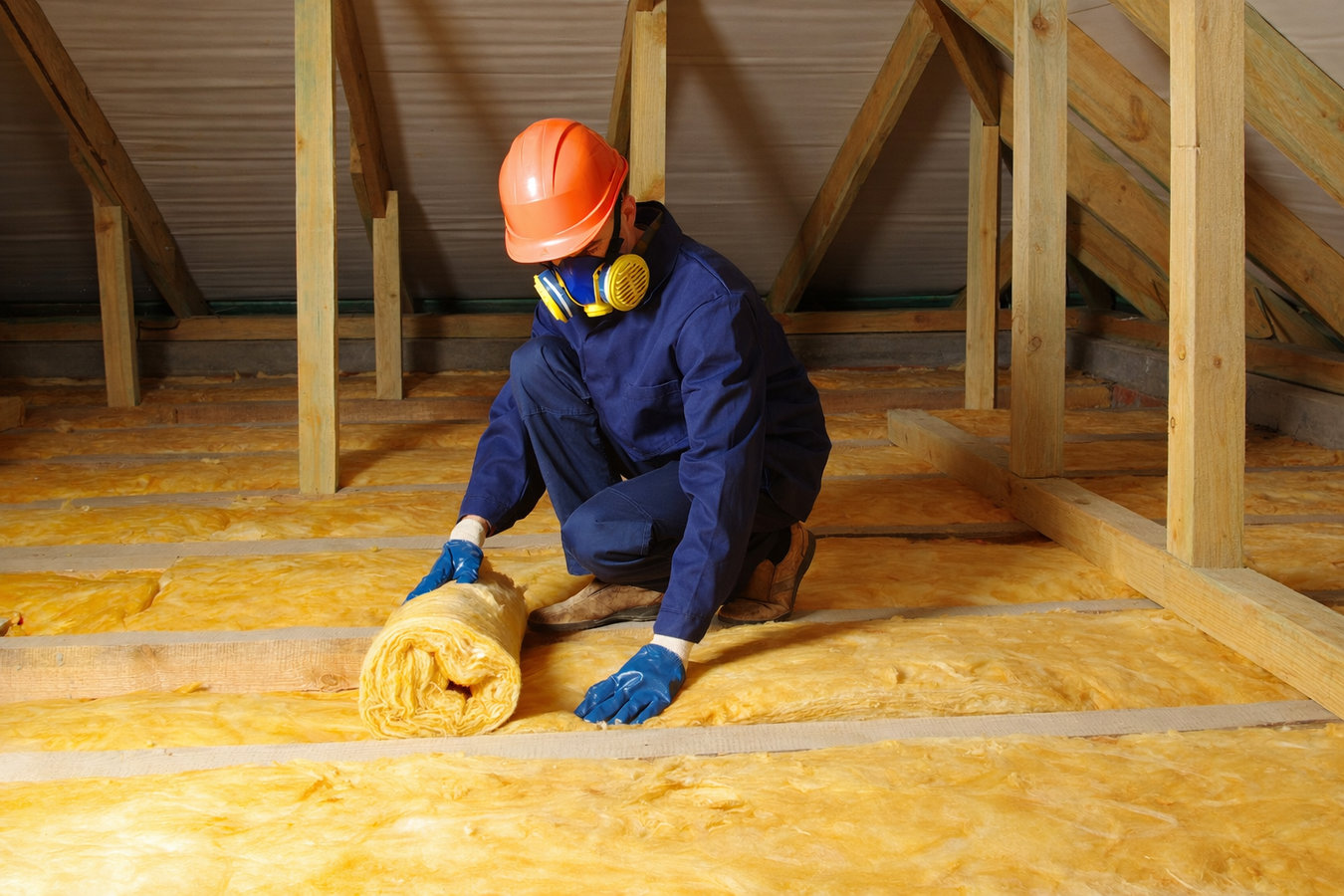
Most Grand Forks homes lose more heat than they should - through the attic, walls, and basement combined. A full-home insulation upgrade closes all those gaps and makes a measurable difference on your heating bill starting this winter.
Home insulation in Grand Forks slows heat from escaping your attic, walls, and basement floor - most full-home projects are completed in one to two days, and your home is usable again the same day. Insulation works by resisting the movement of heat, and in a climate where January temperatures regularly drop below zero, every thin spot or missing section translates directly into higher heating bills and cold rooms.
If your Grand Forks home was built before the 1980s, there is a good chance the insulation has never been upgraded - or was installed to standards that are well below what is recommended today. The symptoms are familiar: a heating bill that spikes every January, rooms that never quite reach the temperature on the thermostat, and ice building up along your roofline in February. The U.S. Department of Energy estimates that proper air sealing and insulation can cut heating and cooling costs by 15 percent or more in many homes.
When old or damaged material needs to come out first, our insulation removal service handles that step before new material goes in. For homes where you want to add insulation without opening walls, our retrofit insulation approach covers most existing Grand Forks homes without major disruption.
If your natural gas or electric bill climbs sharply each January and February, your home is likely losing heat faster than your furnace can replace it. In Grand Forks, where heating costs are already among the highest in the region, poor insulation can add hundreds of dollars to your annual energy bill. This is especially common in homes built before 1980 that have never had an upgrade.
Thick ridges of ice building up at your eaves in winter signal that heat is escaping through your attic, melting roof snow, and refreezing at the cold edges. That cycle of melting and refreezing can force water under your shingles and damage ceilings and walls. Ice dams look like a roofing problem but almost always start with inadequate attic insulation.
If one bedroom or a corner of the house always feels cold no matter how high you run the furnace, the insulation in that area may be thin, missing, or compressed. This is especially common in older Grand Forks homes where insulation was installed unevenly or has settled over decades. Consistent room-to-room temperature is a sign that your insulation is doing its job.
If you can see the wooden beams running across your attic floor through the insulation, your coverage is almost certainly too low for a North Dakota winter. A well-insulated attic should have insulation deep enough to cover those beams completely and then some. This is the quickest check a homeowner can do - no tools required, just a look through the attic hatch.
Grand Forks Insulation handles full-home insulation projects from assessment through installation. The most common starting point is the attic - blown-in fiberglass or cellulose added to bring coverage up to the level recommended for this climate zone. We seal air leaks around light fixtures, pipes, and the attic hatch before blowing in new material, because air sealing and insulation work together. Skipping the air-sealing step is one of the most common ways insulation projects underperform.
For homes where the attic is only part of the problem, we also address basement rim joists, crawl spaces, and existing wall cavities. Rim joists - the framing where your floor meets the foundation - are a major source of cold-air infiltration in Grand Forks homes with basements. When old insulation needs to come out before new material can go in, our insulation removal service handles that first. For homes where adding coverage without opening walls is the priority, our retrofit insulation approach uses blown-in material through small access points to fill cavities cleanly.
Best for homes where heat loss through the ceiling is the primary driver of high bills and cold rooms.
Suited to homes with uninsulated or under-insulated basement walls and rim joist areas where cold air enters.
Ideal for older homes built with little or no wall insulation where retrofit filling through small access holes is possible.
Grand Forks sits in one of the coldest climate zones in the continental United States. The heating season runs from October through April, and average January temperatures fall well below zero before wind chill. Homes here need significantly more insulation than homes in most other parts of the country - and the return on investment for upgrading comes faster because the savings on your heating bill accumulate over a longer season. A large portion of the city housing stock was built before 1970, often with insulation levels that were considered adequate at the time but fall far short of current recommendations. If your home is from that era and has never had an upgrade, you are likely heating the outdoors every single winter.
We work with homeowners throughout the Grand Forks region, including communities like West Fargo, ND and Moorhead, MN, where the same cold winters and older housing stock create similar insulation challenges. If your home was rebuilt after the 1997 Red River flood, the construction may differ from the older homes around it - we know what to look for in both.
We respond within 1 business day. You will be asked a few basic questions - home age, size, and what is prompting your concern. No commitment required to get started.
We inspect the attic, basement rim joists, and any accessible wall areas. We measure existing insulation depth, check for air leaks, and note problem spots. This takes 30 to 60 minutes and you receive a written estimate before any work is scheduled.
Most attic projects are finished in a few hours. Larger jobs covering multiple areas may take two to three days. You can stay home throughout - the crew contains dust, protects your interior, and cleans up before leaving. No drying time means your home is usable immediately.
Before the crew leaves, we walk you through what was done and provide any documentation needed for Xcel Energy or Otter Tail Power rebate claims. If a permit was pulled for the work, we coordinate any required inspection. You should notice a difference within the first full heating cycle.
We respond within 1 business day - no obligation, no sales pitch. Once you submit, someone from our office will call to schedule a free on-site assessment. We will measure your current coverage, explain what your home actually needs, and give you a written quote before any work begins.
(701) 402-4816We serve a wide territory across both states, which means consistent scheduling and materials availability. You get a local contractor with regional experience - not a one-time visit from someone unfamiliar with this climate and housing stock.
Every estimate we provide specifies the materials, the finished depth at multiple measurement points, and what you will pay. You are not left guessing whether the job was done to the right level - the numbers are in writing before work begins.
We seal gaps around fixtures, pipes, and hatches before blowing in new material. This is the step that separates an insulation job that performs from one that looks right but underdelivers. Skipping air sealing is the industry shortcut we do not take.
Grand Forks homeowners served by Xcel Energy or Otter Tail Power may qualify for insulation rebates. We provide the documentation you need before we leave the job site. The ENERGY STAR federal tax credit program may also reduce your cost - ask us what documentation you will need.
Grand Forks winters make insulation a real investment, not a nice-to-have. We are here to make sure that investment is done correctly, documented properly, and delivers the savings you are counting on.
Old, damaged, or pest-contaminated insulation removed cleanly before new material goes in.
Learn moreAdding insulation to an existing home without tearing out walls - the right approach for most Grand Forks upgrades.
Learn moreWinter in Grand Forks is long - the sooner your home is properly insulated, the sooner you start saving on every heating bill.