
Loading...
Serving Grand Forks, ND and surrounding areas. (701) 402-4816
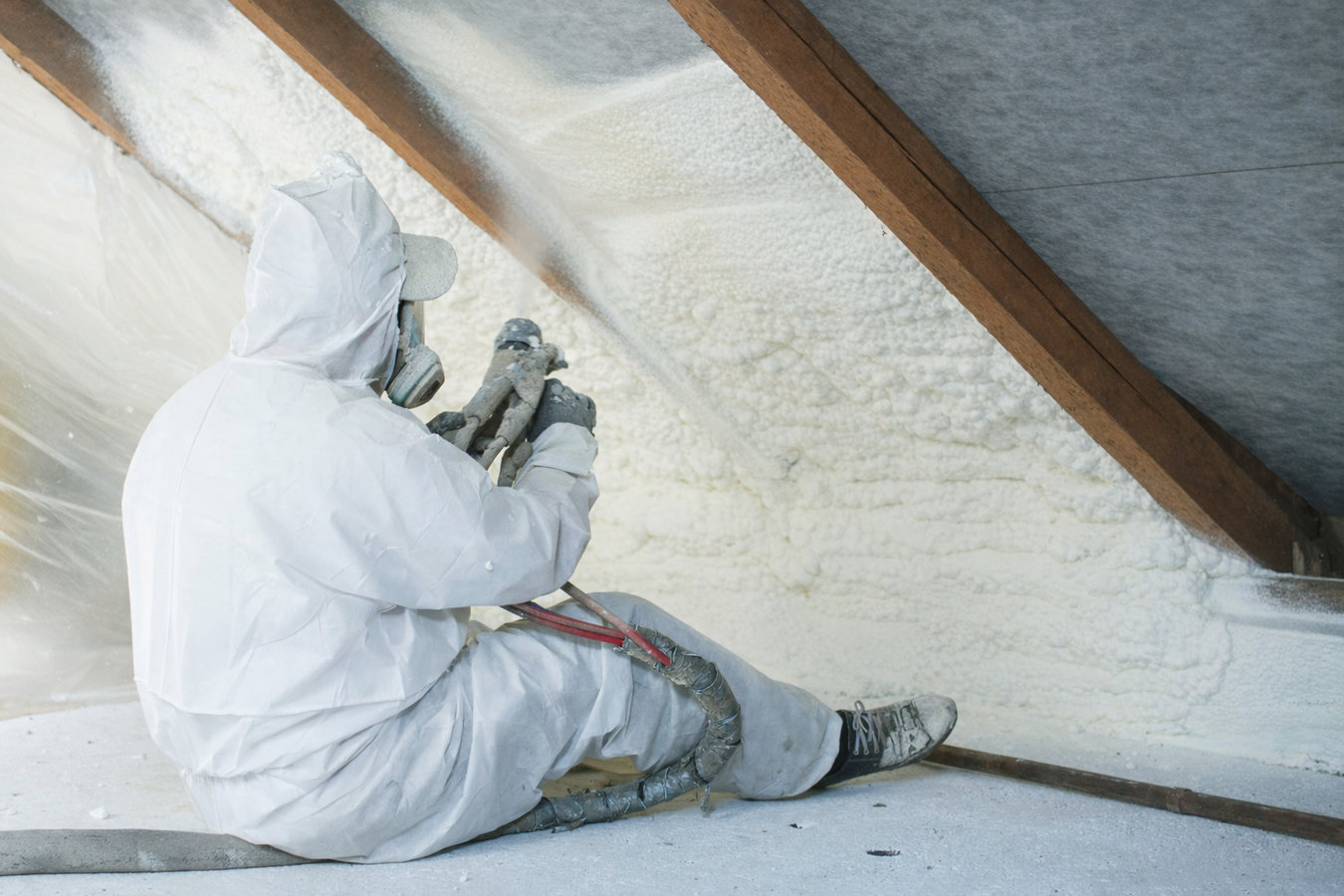
When your basement, rim joist, or crawl space needs the best performance per inch available, closed-cell foam delivers - sealing air, resisting moisture, and insulating in a single application built for North Dakota cold.
Closed-cell foam insulation in Grand Forks expands on application, hardens into a rigid barrier, and handles air sealing and insulation in one step - most residential jobs are finished in a single day. Unlike fiberglass batts, which slow the movement of heat through solid material but do nothing to stop air moving through gaps, closed-cell foam seals those gaps completely as it cures. In a city where January temperatures regularly drop below -20 degrees F, that combination of insulating and sealing in one material is exactly what high-performance basement walls and rim joists need.
A large share of Grand Forks homes were built before the 1980s, when rim joists and basement walls were routinely left bare. When you hold your hand near the sill plate on a cold day and feel air moving, that is the gap closed-cell foam was designed to fix. The foam also resists moisture vapor - an important quality in the Red River Valley, where the water table is high in many neighborhoods and spring snowmelt puts real pressure on foundation walls every year.
Closed-cell foam is one option within a broader family of spray foam insulation. For spaces where a softer fill is acceptable - interior wall cavities or attic rafters, for example - our open-cell foam insulation service covers that option. For a full overview of where spray foam fits in your home alongside other insulation materials, our spray foam insulation page walks through the full picture.
If your gas or electric bill jumps dramatically when temperatures drop below zero - even though your thermostat habits have not changed - your home is losing heat faster than it should. The most common culprits are uninsulated or underinsulated basement walls, rim joists, and crawl spaces. In Grand Forks, where heating season runs from October through April, the cost of those gaps adds up to hundreds of dollars a year.
A basement that feels noticeably colder than the rest of the house, or one with a persistent musty smell, is losing heat through uninsulated walls and allowing moisture to condense on cold surfaces. In Grand Forks, where basements are built deep due to frost depth requirements, this is a very common condition in homes built before the 1980s. Closed-cell foam applied to the walls and rim joist addresses both the cold and the moisture issue simultaneously.
The sill plate is the wood framing that sits directly on top of your foundation wall - one of the most common places for cold air to enter a home. On a cold day, hold your hand near where your basement floor joists meet the foundation. If you feel moving air, that is a gap that closed-cell foam will seal completely. It is a small area with an outsized effect on how warm your home feels.
Grand Forks temperatures can stay below zero for days at a time. An uninsulated basement or crawl space can get cold enough to freeze pipes even when the furnace is running. If you have ever had a pipe freeze - or run a trickle of water on the coldest nights as a precaution - that is a clear sign the space around your plumbing is not staying warm enough. Closed-cell foam in those areas holds the ambient temperature stable enough to protect your pipes.
We apply closed-cell spray foam to basement walls, rim joists, crawl space floor joists, and attic roof decks in unvented assemblies. Each application starts with surface prep - the substrate needs to be clean, dry, and within the temperature range that allows the foam to cure properly. We do not rush this step, because foam applied to a damp or cold surface will not bond correctly and will fail to perform over time. Our open-cell foam service covers applications where a softer, lower-density material is appropriate - interior walls, attic cavities where full-height coverage is the goal - while closed-cell is reserved for the areas where moisture resistance and maximum R-value per inch matter most.
For homeowners upgrading an older home before another winter, we often combine closed-cell rim joist sealing with broader spray foam insulation work in the same visit, keeping labor costs lower than scheduling them as two separate jobs. The Spray Polyurethane Foam Alliance provides consumer guidance on what to expect from a properly installed closed-cell foam job at sprayfoam.org.
Best suited for homes where cold air is actively entering around the top of the foundation wall - the highest-impact single area in most Grand Forks homes.
Ideal for unfinished basements where both insulation performance and moisture resistance are needed from a single material applied directly to the foundation wall.
Suited to homes with crawl spaces where moisture from below and cold from outside are both concerns - provides a continuous barrier from below the living floor.
Grand Forks sits in Climate Zone 7 - the second coldest residential climate zone in the continental United States. The design temperature here is extreme enough that the International Energy Conservation Code requires higher R-values for basement walls and crawl spaces than most of the country. Closed-cell foam delivers roughly twice the R-value per inch of fiberglass batts, which makes it the most practical choice when a shallow rim joist or tight crawl space limits how much material you can physically fit. That advantage is especially relevant here, because Grand Forks homes are built with deep foundations and spaces where depth is often constrained.
The 1997 Red River flood put basement moisture firmly on the minds of Grand Forks homeowners, and rightly so. Even in years without major flooding, the flat clay-heavy soils of the Red River Valley hold spring snowmelt against foundation walls for weeks. Closed-cell foam resists moisture vapor from passing through it - a property that makes it particularly well-suited to this valley. Homeowners throughout our service area, from Fargo, ND to Devils Lake, ND, face the same combination of extreme cold and moisture pressure that makes closed-cell foam the logical choice for basement and crawl space work.
Reach out by phone or contact form and we will be back to you within one business day. We ask a few quick questions about the areas you want insulated and whether there are any known moisture concerns so we come to the visit prepared.
We walk through the spaces - basement, rim joist, crawl space, or attic - take measurements, check surface conditions and moisture, and give you a written estimate. No work is scheduled until you have that quote in hand and are ready to proceed.
Spray foam releases fumes during application, so you, your family, and pets need to be out while the crew works and for a couple of hours after while the space ventilates. Most residential jobs are done the same day. We handle surface prep, masking, application, and cleanup before we leave.
Your contractor will tell you when re-entry is safe - typically a few hours after the job is complete. Walk the finished areas yourself before the crew leaves. A well-done job should look even with no bare patches. We welcome that walkthrough - it is how you confirm the work meets expectations.
Free estimate, no obligation. We assess your spaces, explain the options, and reply within one business day.
(701) 402-4816Closed-cell foam must be applied at the right surface temperature and ambient conditions to cure correctly. We work in North Dakota year-round and understand the scheduling and preparation requirements that ensure a proper installation - no cutting corners because the crew wants to wrap up before the temperature drops.
Foam applied to a damp, cold, or contaminated surface will not bond and will fail over time. We assess the substrate before any foam goes on - checking for moisture, residue, or temperature conditions that need to be addressed first. This step adds time but it is what separates a job that lasts from one that needs to be redone.
We serve 12 communities across North Dakota and Minnesota, from Grand Forks to Fargo and from Moorhead to Minot. That regional presence means we have worked in the full range of housing stock and moisture conditions found across the northern Plains, not just one neighborhood.
Our crews install closed-cell foam across this region and coordinate any permits your job requires. You will receive a written estimate before anything is scheduled. For reference on what a quality spray foam installation should include, the Spray Polyurethane Foam Alliance consumer guide outlines the standards a professional job should meet.
A properly applied closed-cell foam job is one that performs for the life of your home - not one that needs to be revisited the following winter. We take surface prep and application conditions seriously because that is the work that determines whether the investment pays off. Call us or submit the contact form and we will be back to you within one business day.
A softer, lower-density foam option suited to interior walls and attic rafters where moisture resistance is less critical but sound control and complete cavity fill matter.
Learn moreAn overview of all spray foam applications - closed-cell and open-cell - and where each type performs best across the different areas of a Grand Forks home.
Learn moreFall contractor schedules fill fast in Grand Forks - reach out today and secure your spot before the first freeze.